


Procore (Financials) vs Planyard

This page compares Procore Project Financials with Planyard for UK and Ireland contractors. We focus on valuations, retentions, CIS, VAT and day-to-day commercial control for QSs, PMs and FDs.

Short answer: choose one financial system. Use Planyard for budgets, POs, approvals, valuations/retentions and live forecasting. If you use Procore, pair Planyard with Procore’s non-financial modules (drawings, RFIs, daily diaries) — don’t run two financial stacks.

On this page

  • Scope and fit for UK/Ireland
  • Reviews at a glance
  • Quick summary
  • Why mirrored cost codes/GLs break
  • Side-by-side comparison
  • Features in detail (CIS, valuations, retentions, forecasting)
  • Implementation time
  • Who should choose what

Do not run Procore Financials and Planyard side by side. Use Planyard for financials and Procore’s non-financial modules for site/project management.

Hero image

What they do (scope at a glance)

  • Procore (Project Financials) — Enterprise module for budgets, cost codes, commitments (POs/subcontracts), change orders and pay applications with retainage. Suits firms standardising on the Procore platform. Accounting usually connected via marketplace integrations.
  • Planyard — UK-ready commercial control: estimating, live budgets vs actuals, POs/subcontracts, multi-step approvals, 3-way match (PO ↔ delivery ↔ invoice), valuations and retentions, variations and live CVR/EAC forecasting.

Reviews at a glance

Public summaries from major review sites.

Product Rating Summary
Procore (overall) ~4.5 / 5.0 ✔ Full platform. ✖ For SMBs: steeper learning curve, higher total cost, accounting connectors needed; teams often export to Excel for financials.
Planyard 4.6 / 5.0 ✔ Praised for ease of use, visibility and clean Xero/QuickBooks/Sage sync. Reviewers cite reduced manual entry and a full audit trail.

Quotes: “Planyard integrates seamlessly with accounting.” · “We finally stopped updating endless cost spreadsheets.”

Quick summary

  • Procore Financials. Comprehensive and tightly linked to field tools, but heavier to adopt for small-to-mid UK firms. Accounting needs connectors; workflows can feel complex.
  • Planyard. Focused job-costing: budgets, POs, approvals, enforced 3-way match, valuations/retentions and live CVR/EAC.
  • Better together (clean stack). Run Planyard for financials and Procore’s non-financial modules for drawings/RFIs/daily diaries. Avoid two financial systems.

Why two financial stacks break in the UK

Procore Financials expects cost codes and general ledger accounts to mirror your accounting system. In practice this causes:

  • Double maintenance. Every new code or account change must be replicated in both tools or the connector fails.
  • Drift. Site teams edit codes in Procore; finance updates the chart for VAT/CIS — reports and syncs stop reconciling.
  • Month-end friction. Budgets vs GL do not match 1:1, so QSs and FDs spend time fixing exports.
  • Double coding. People code in Procore and again in accounting; errors and duplicates creep in.
  • Connector errors and retention misstatements. Teams report integrations (for example Smoothlink) can misclassify retention — appearing as about £1,000,000 when the true figure is ~£700,000 — creating lengthy reconciliation work.

Planyard avoids this. It uses your accounting chart as the source of truth, enforces coding at approval, and only then posts approved items to Xero/QuickBooks/Sage. No mirroring, no drift, no duplicate entry.

Side-by-side comparison

Aspect Planyard Procore (Financials) Planyard + Procore (field)
Cost codes & GL ✔ Uses ledger chart as source; no mirroring required ✖ Codes/accounts must mirror accounting; drift breaks reporting ✔ Keep codes in Planyard + accounting only
Approvals ✔ Configurable multi-step routes with audit trail ✖ Limited native routing for SMB needs ✔ Approvals in Planyard; use Procore for site workflows
3-way match ✔ PO ↔ delivery ↔ invoice enforced; blocks over-billing ✖ Manual checks ✔ Full 3-way match in Planyard before posting
Valuations & retentions ✔ Subcontractor/client valuations and retention schedules built-in; visibility of valuations awaiting invoices ✔ Pay apps/retainage; often feels heavy for SMBs ✔ Run valuations in Planyard; share outputs as needed
CIS & VAT ✔ Enforces correct coding so CIS/VAT apply in the ledger ✖ Depends on connector/accounting setup ✔ Accounting remains source of truth
Reporting & forecasting ✔ Live CVR/EAC with drill-down ✔ Powerful reports; many export to Excel for forecasting ✔ Planyard for financials; Procore for field reports
Accounting sync ✔ Native to Xero/QBO/Sage; posts approved items with PDFs ✖ Typically via marketplace integrations ✔ Connect accounts to Planyard; avoid duplicate exports

Features in detail (UK/Ireland)

How approvals, valuations, retentions, CIS and forecasting work — UK SME insights

Commitments and purchase orders

Planyard lets QSs and PMs raise and approve POs/subcontracts against the live budget, with thresholds/roles and a full audit trail. Only approved costs post to the ledger, keeping the nominal clean.

Procore Financials supports commitments/change orders, but SMBs often want lighter multi-approver routing than Procore provides out-of-the-box.

Teams report Planyard’s straightforward approval routing and strict permissioning prevent surveyors raising large subcontracts without checks and keep a clear audit trail of budget movements.

Valuations and retentions

Planyard generates subcontractor and client valuations, tracks retention percentages and release, and keeps the forecast in sync as certificates are issued.

Procore Financials supports pay apps with retainage, but many UK teams find the workflows heavy compared to Planyard’s simpler process.

Teams moving from Procore say emailed self-serve valuations cut spreadsheet work.

Upload your project budget and follow the financial progress in real-time

No credit card required. No sales or IT support needed.

Cost to complete and forecasting

Planyard updates CVR/EAC automatically as orders, invoices and variations are approved, so QSs and FDs can spot issues without rebuilding Excel models.

Procore Financials has strong reporting, but many UK teams still export to Excel for cost-to-complete.

CIS and compliance

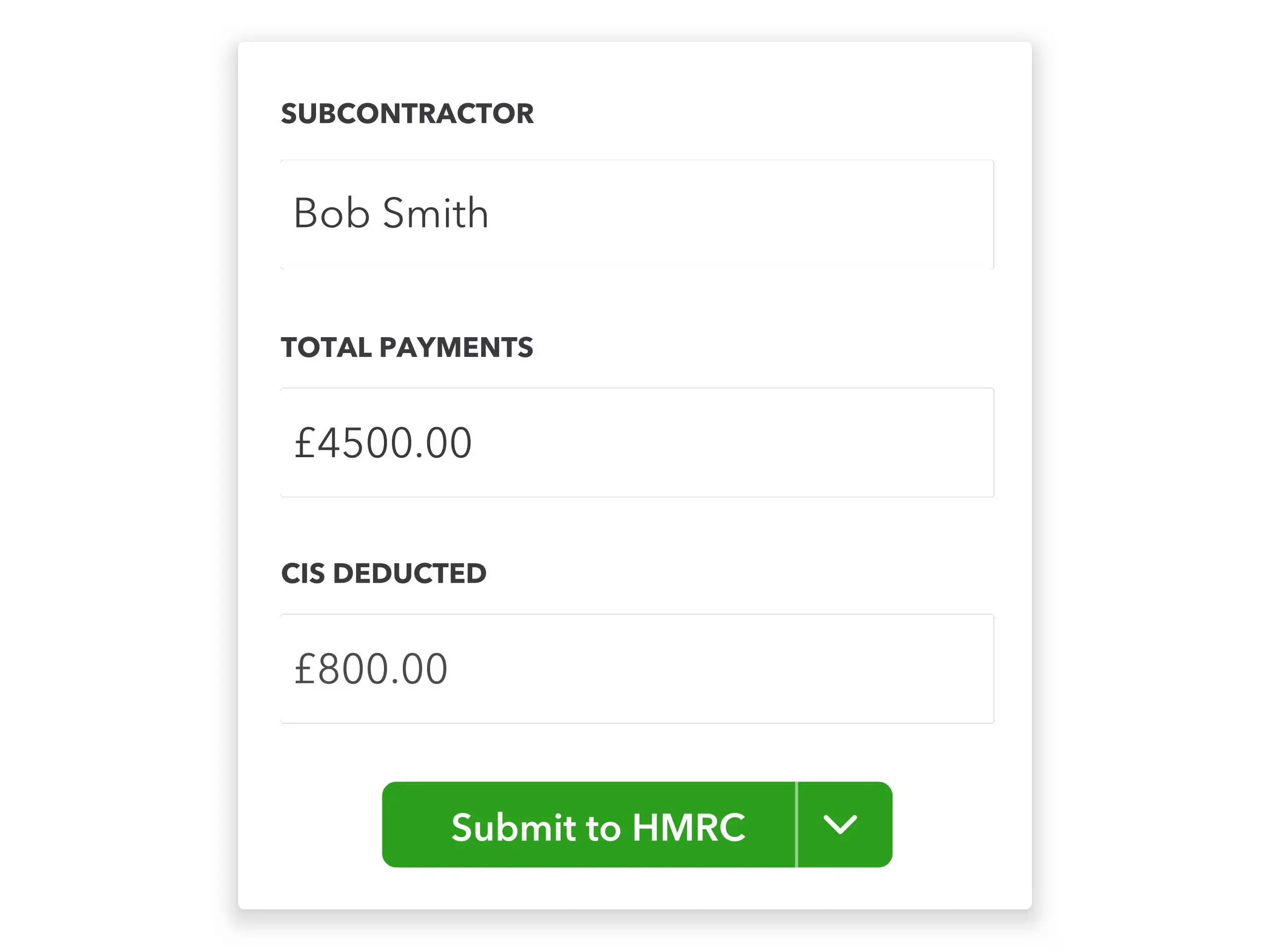
Planyard enforces supplier linkage and coding so CIS and VAT apply correctly in Xero/QBO/Sage. Attachments and references are posted automatically with the transaction.

Procore Financials typically relies on marketplace connectors; teams often prefer a single native push from Planyard to keep the ledger tidy.

Implementation timelines

Planyard usually pilots a live job in days; Procore Financials often requires deeper template/cost-code setup and training.

Product Typical duration Typical steps
Planyard ✔ A few days to a week
  1. Connect Xero/QuickBooks/Sage
  2. Import chart, suppliers and a live budget
  3. Pilot one project and roll out
Procore (Financials) ✖ Weeks to months
  1. Define cost-code structure and project templates
  2. Migrate budgets/contracts and train teams
  3. Optional accounting connector setup
  4. Complex admin/approval configuration and integration testing

Who should choose what

  • Choose Planyard if you want proper job costing — budgets, approvals, valuations/retentions, variations and forecasting — without spreadsheets.
  • Choose Procore (Financials) if you need an enterprise platform and will fully adopt its workflows across projects and field operations. Suitable for larger organisations prepared for more administrative overhead.
  • Choose both only as Planyard for financials + Procore’s non-financial modules for site/project management. Do not run two financial systems. Many teams use this combination to keep financial processes simple and auditable while retaining Procore for on-site/project workflows.

Pricing and packages

Planyard has transparent per user plans and a free trial. Procore pricing is custom-quoted as part of the wider platform. The Xero/QuickBooks/Sage integrations are included in all Planyard plans.

Estimating

£40
/ month / project manager
 

Cost Estimating

Try for free

Essential

£82
/ month / project manager
£33
for supporting staff
Perfect for support roles or stakeholders—gain access to essential project features and view key financial data without full platform permissions, enabling users to stay informed and contribute without hands-on tasks.

Usually selected for: site engineers, clients, estimators or auditors.

Estimating and Budget Control

  • Everything in Estimating
  • Track budgets and actual spend
  • Manage purchase invoices automatically
  • Reuse active project cost data for estimating
  • Sync invoices to Xero and QuickBooks
Try for free

Professional

£123
/ month / project manager
£33
for supporting staff
Perfect for support roles or stakeholders—gain access to essential project features and view key financial data without full platform permissions, enabling users to stay informed and contribute without hands-on tasks.

Usually selected for: site engineers, clients, estimators or auditors.

Estimating, Cost Control and Purchase Orders Management

  • Everything in Essential
  • Issue and manage purchase orders
  • Track committed cost on the budget
  • Forecast project profitability in real-time
  • Create cashflow forecasts
  • Manage client contracts and progress reports
Try for free

Ultimate

£164
/ month / project manager
£33
for supporting staff
Perfect for support roles or stakeholders—gain access to essential project features and view key financial data without full platform permissions, enabling users to stay informed and contribute without hands-on tasks.

Usually selected for: site engineers, clients, estimators or auditors.

Full Functionality

  • Everything in Professional
  • Automate subcontractor and vendor quoting
  • Track subcontracts and progress
  • Manage subcontractor variations
  • Collect subcontractor valuations
Try for free

In one paragraph

They are not a like-for-like swap, but you should not use both for financials. Run Planyard as your commercial control (budgets, approvals, 3-way match, valuations/retentions, forecasting) and use Procore’s non-financial modules for field/docs. Only approved, fully coded costs leave Planyard and hit Xero/QuickBooks/Sage — no duplicates, no re-typing.

Sources and last updated. Public Procore and Planyard reviews, customer interviews and product documentation. Last reviewed 3 December 2025.